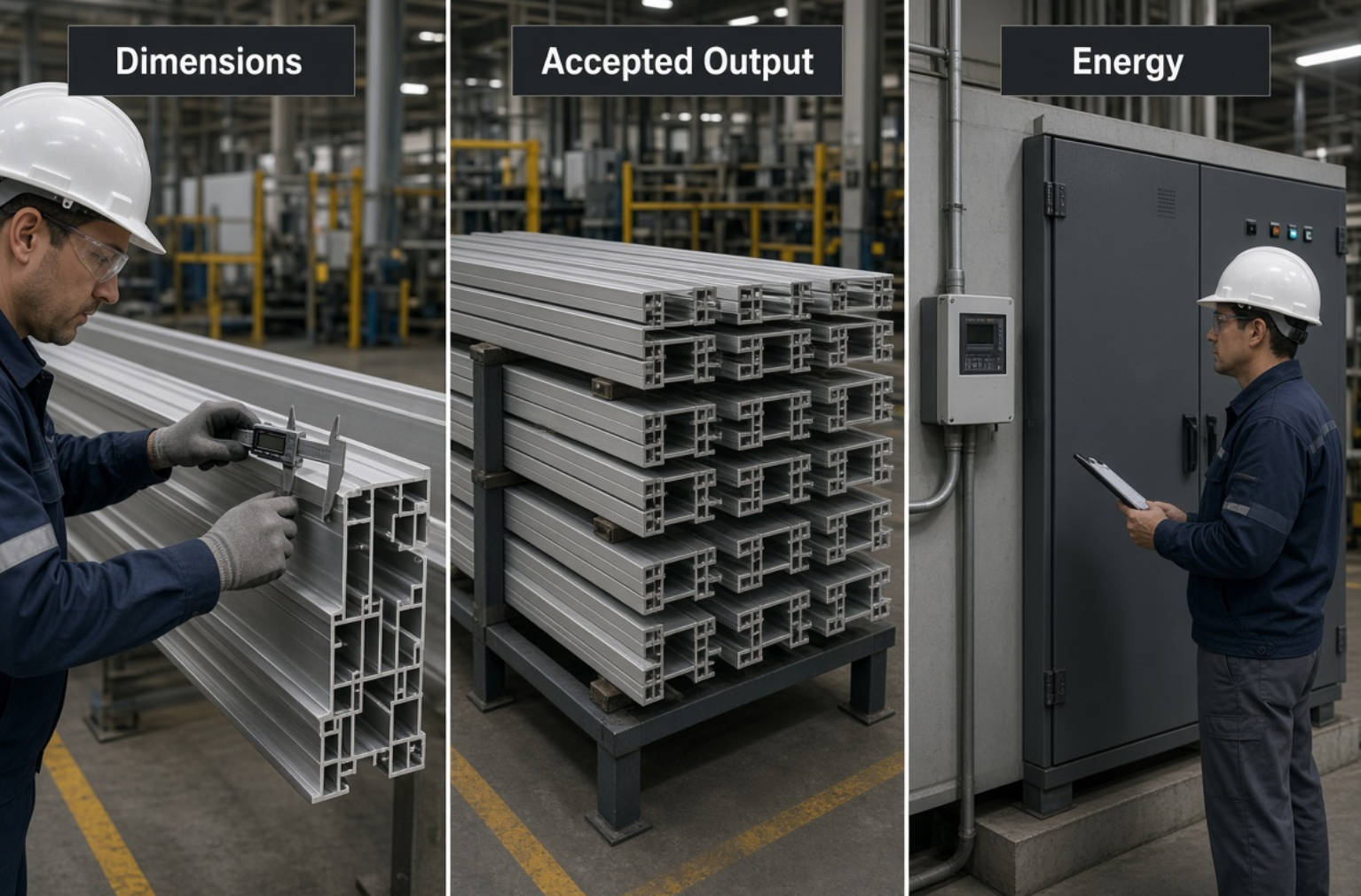
Ask your extrusion press supplier how it sizes the press, measures saleable output, and proves line performance. This guide covers equipment scope, factory and site acceptance tests, safety documentation, operating costs, and after-sales support so you can compare quotes on the same terms.
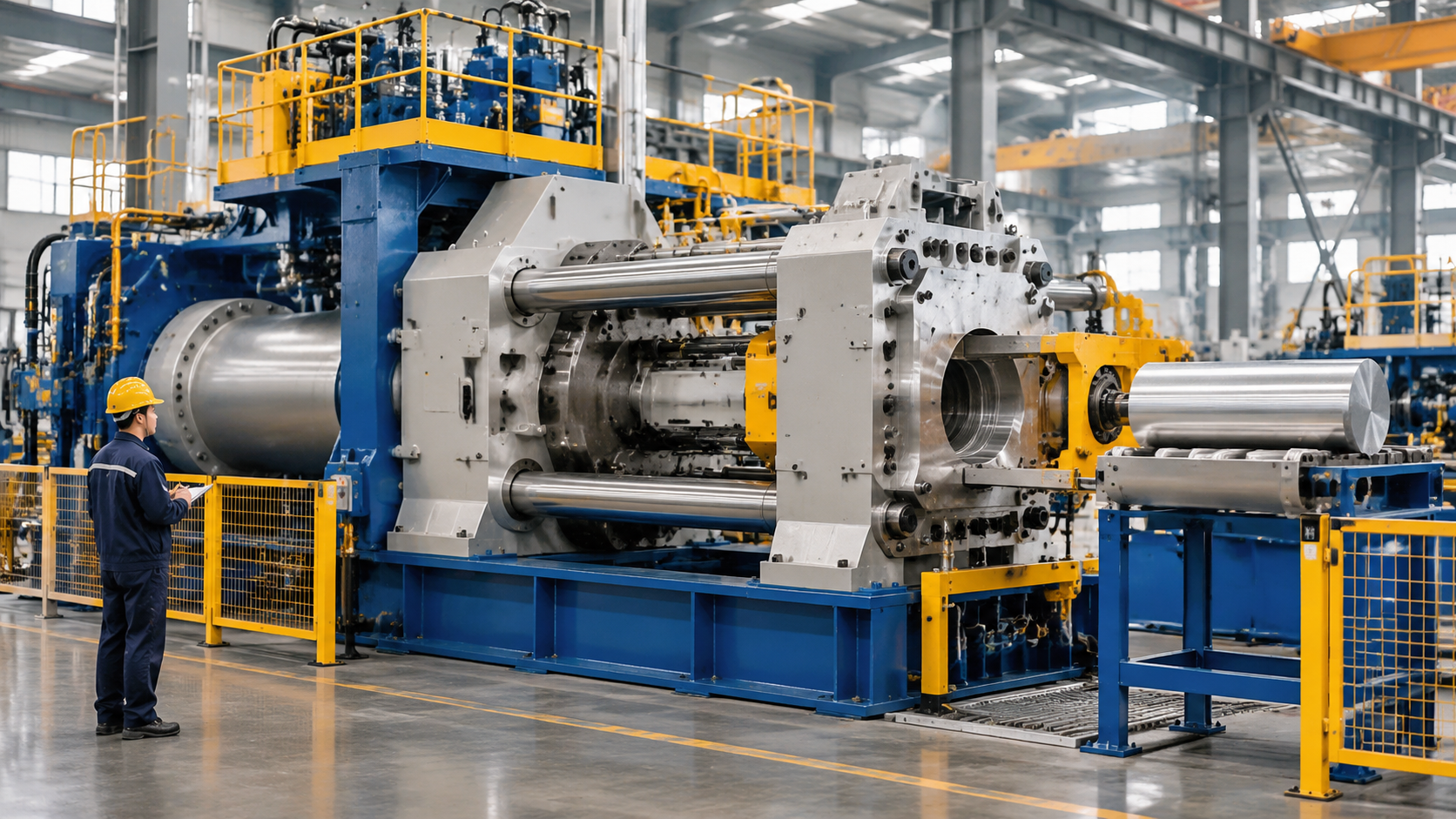
Compare 10 aluminum extrusion press machine manufacturers in China by press force, customization, and line integration. Learn how to verify factory capacity, compare quotes, and set acceptance criteria for profile quality, output, energy use, and safety before committing to a production line purchase.
Aluminum extrusion press or complete aluminum extrusion line? Compare equipment scope, investment, production capacity, integration risks, and operating costs. Use Yejing’s practical selection framework to identify the right solution for your factory, product requirements, and long-term growth plans.
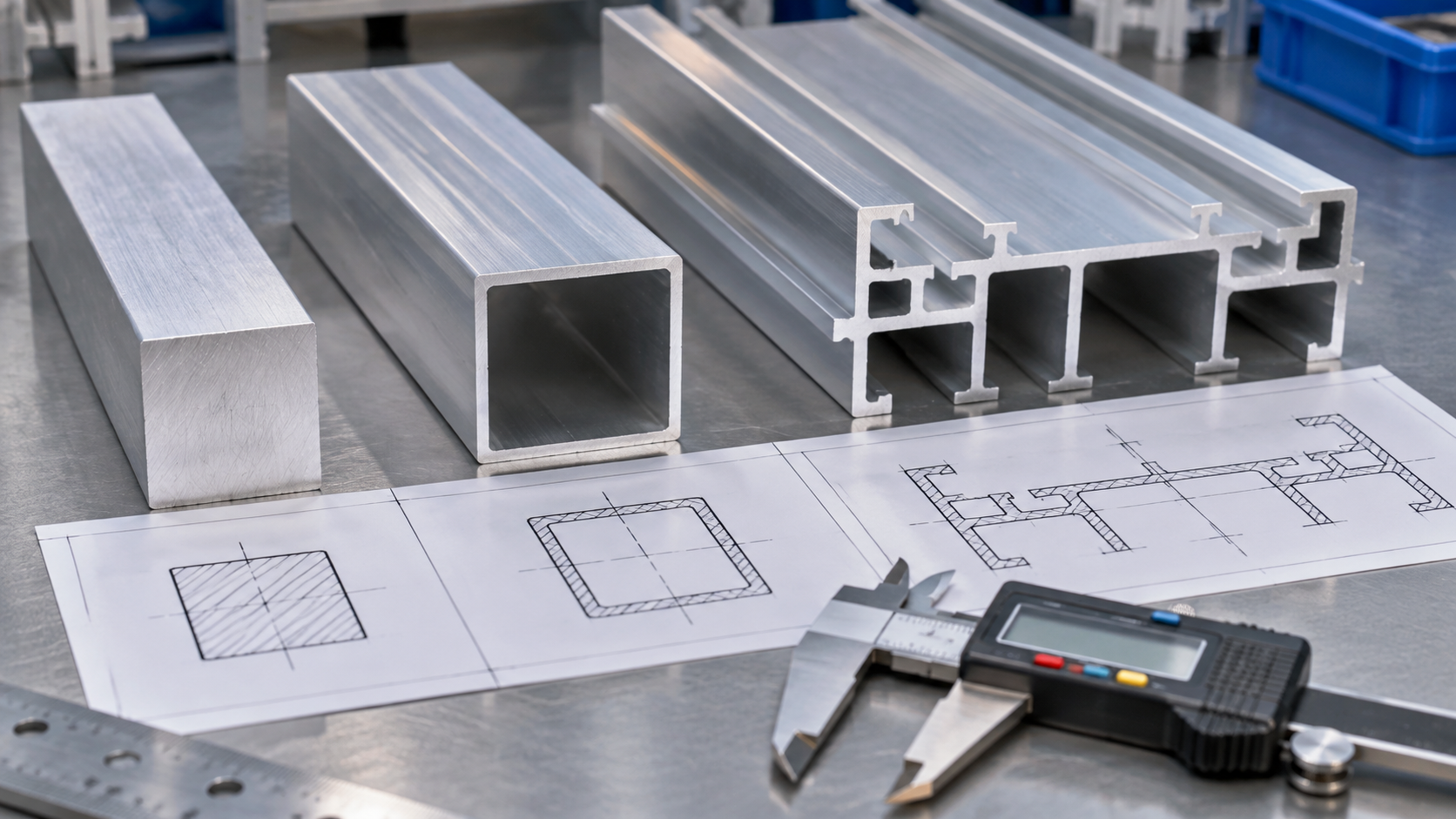
Select the right press for aluminum window profile extrusion. Explore tonnage, billet size, tooling, thin-wall requirements, line integration, operating costs, and acceptance tests to build a production solution around your window profiles, quality standards, and output targets—not machine size alone.
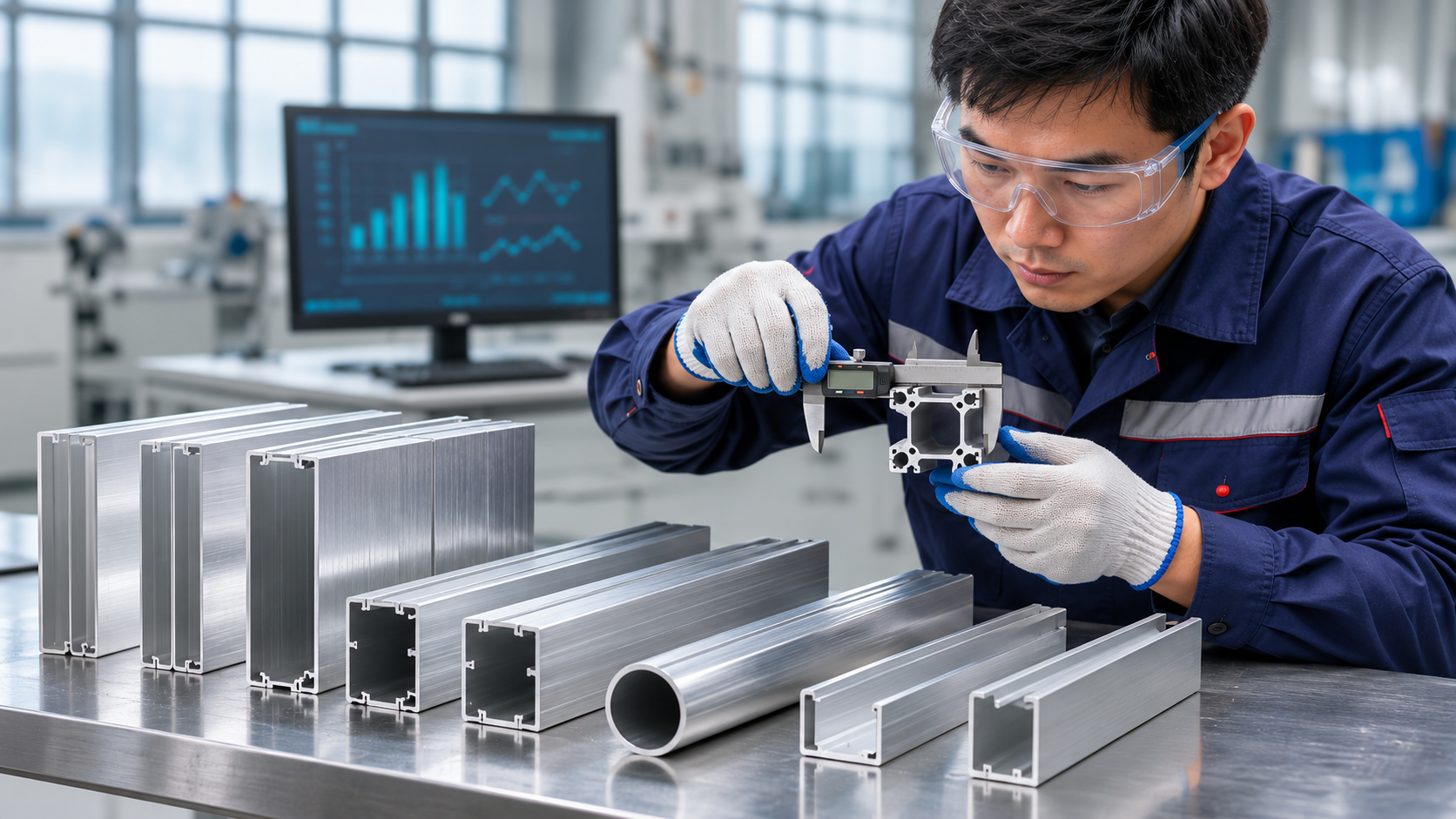
Explore how an aluminum extrusion line turns billets into finished profiles. Learn the role of each machine, key quality controls, equipment selection criteria, and acceptance checks—plus how Yejing supports integrated extrusion solutions for manufacturers worldwide, from planning to commissioning.
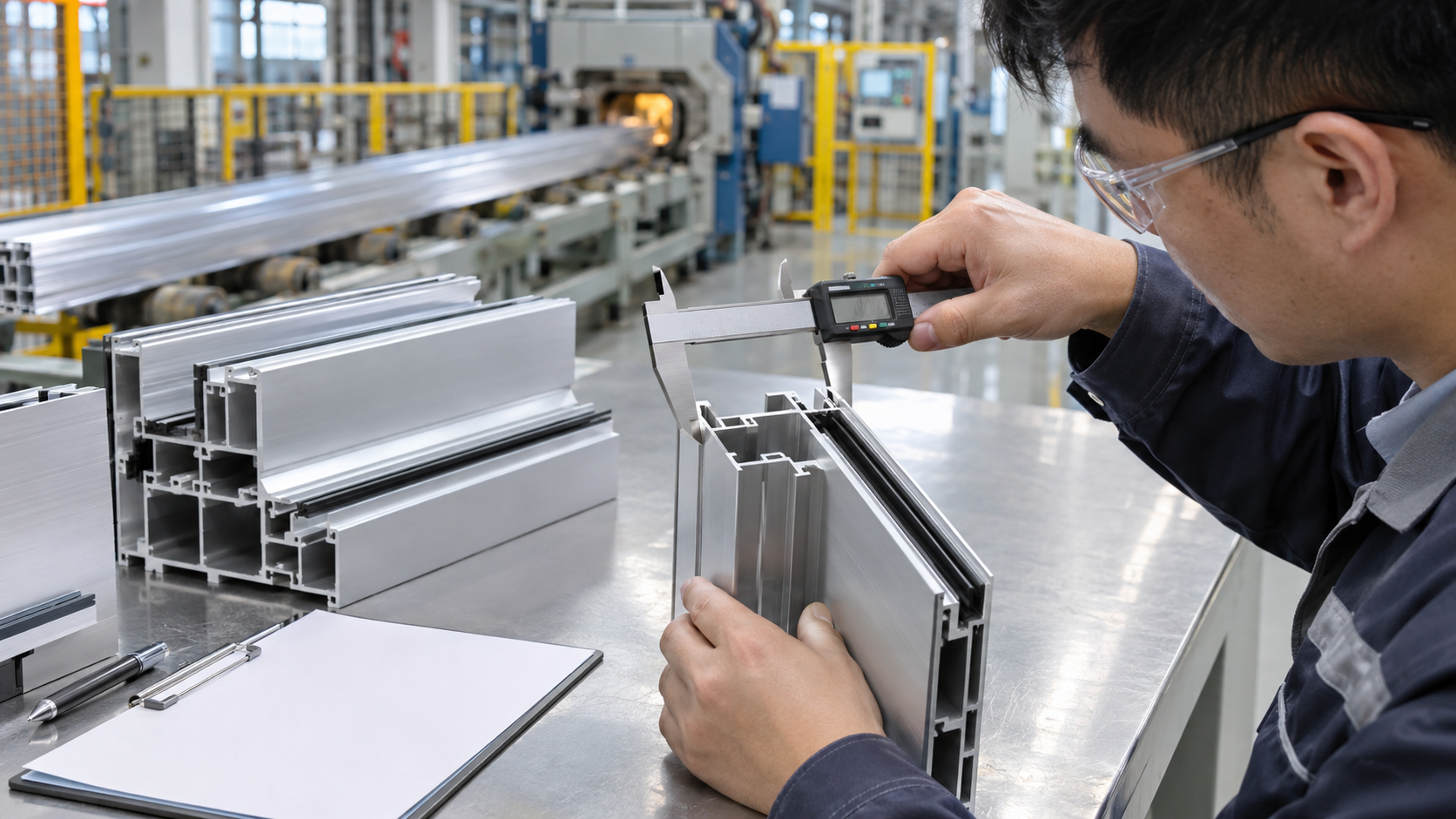
Learn what an aluminum extrusion press quotation should include, from profile compatibility and equipment scope to acceptance tests, energy use, tooling schedules, spare parts, and service commitments. Compare suppliers clearly, uncover hidden costs, and plan a more predictable production investment.
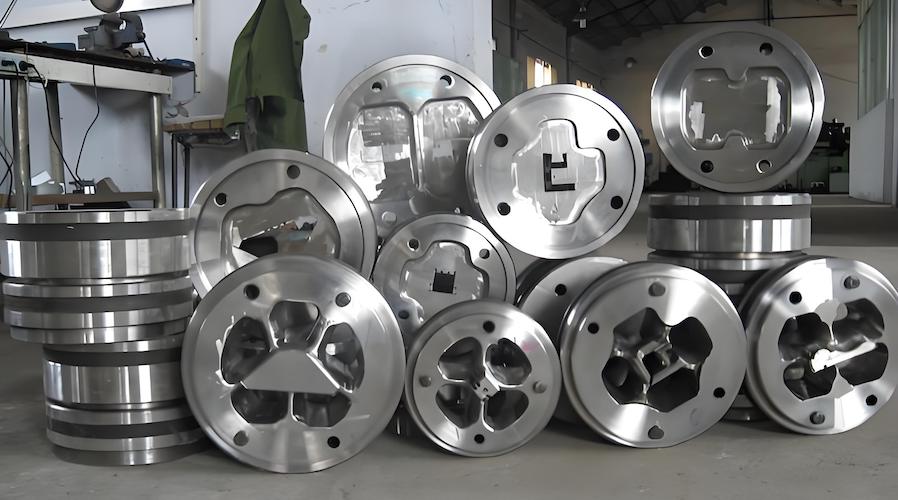
Die blockage in aluminum extrusion dies is a common phenomenon during aluminum profile production, seriously impacting production efficiency and product quality. To effectively prevent die blockage and reduce mold damage, equipment failure, and personal injury, operators must take this issue serious